The Powerful Combo That Lowers Triglycerides and Even Helps With Gout**
Vinegar and ginger are two ingredients you can easily add to your daily meals. Most people know they’re “healthy,” but the truth is—they both have real, meaningful effects on lowering triglycerides and even providing indirect benefits for gout (high uric acid). I truly believe this combo works, and it deserves more attention.
I introduce “vinegar ginger” (su-shōga) in another article as well, but here I’ll break down exactly why this mix is so good for your body.
◆ Why Vinegar Helps Reduce Triglyceride
The key component in vinegar is acetic acid, which has been shown to suppress fat synthesis.
When vinegar is metabolized in the liver, it reduces the activity of enzymes that create fat while activating AMPK—an enzyme that boosts fat burning. As a result, it helps keep post-meal triglyceride levels from spiking and supports long-term reduction of visceral fat.
Vinegar also helps slow down blood sugar spikes after meals. When blood sugar stays stable, less excess glucose is converted into fat, making it harder for triglycerides to build up in the first place.
◆ Ginger’s Role in Lowering Triglycerides
Ginger contains powerful compounds—gingerol and shogaol.
These don’t just warm your body; they help increase metabolism and promote fat burning by lightly stimulating the sympathetic nervous system. Ginger also improves blood circulation, helps with swelling and coldness, and keeps your overall metabolism from dropping. Over time, this makes managing triglycerides much easier.
◆ Vinegar, Ginger, and Their Connection to Gou
Gout attacks occur when uric acid levels become too high. Interestingly, people with high triglycerides tend to have higher uric acid levels, too.
That means: lowering triglycerides often leads to lower uric acid as well, which is a huge plus for gout-prone individuals.
Vinegar does not directly “cure” gout, but it improves insulin sensitivity, which may help reduce uric acid. Since insulin resistance and high uric acid often go hand in hand, improving one can improve the other.
Ginger, on the other hand, has mild anti-inflammatory effects. Some reports suggest it may help reduce inflammation during gout episodes.
But to be clear—eating a ton of ginger during an active gout flare won’t magically fix it. The goal is steady, daily intake for long-term prevention.
◆ How to Add Vinegar and Ginger to Your Routin
Vinegar:
Take 1–2 tablespoons per day. Mix with water or soda, or use it in salads and pickled dishes.
Ginger:
Aim for 10–20g per day. Fresh ginger or grated ginger is best—not pickled red ginger.
✔ And honestly… combining them works best!
■ How to Make “Vinegar Ginger” (Su-Shōga in Japanese)
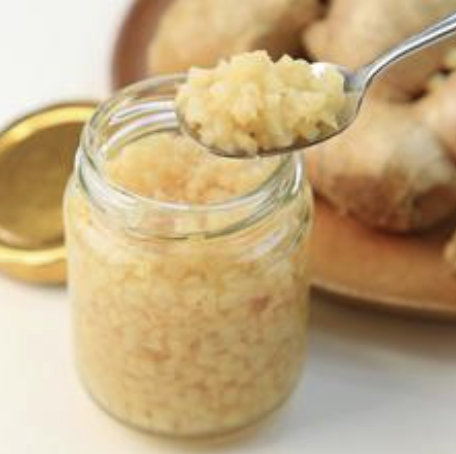
- Peel the ginger and slice into thin strips or mince (skin-on is fine if you’re lazy).
- Add 100g of ginger, 100ml of black vinegar, and 20ml of honey to a container.
Store it in the fridge.
You can eat it the next day.
Eat it over rice, straight from a spoon (about 30g/day), or use larger chunks if you love ginger.
Also… surprisingly, it goes insanely well with fried foods like tonkatsu. It removes the guilt instantly!
◆ Summary
Vinegar and ginger both help lower triglycerides and indirectly help prevent gout. Adding a little to your daily routine can make a huge difference over time, especially for anyone with gout tendencies.
But—if you hate ginger or it stresses you out, don’t force it. Stress is one of the biggest triggers for gout. Anything that feels unpleasant is counterproductive.
Still… vinegar + ginger is seriously good for you. Highly recommended. 👍