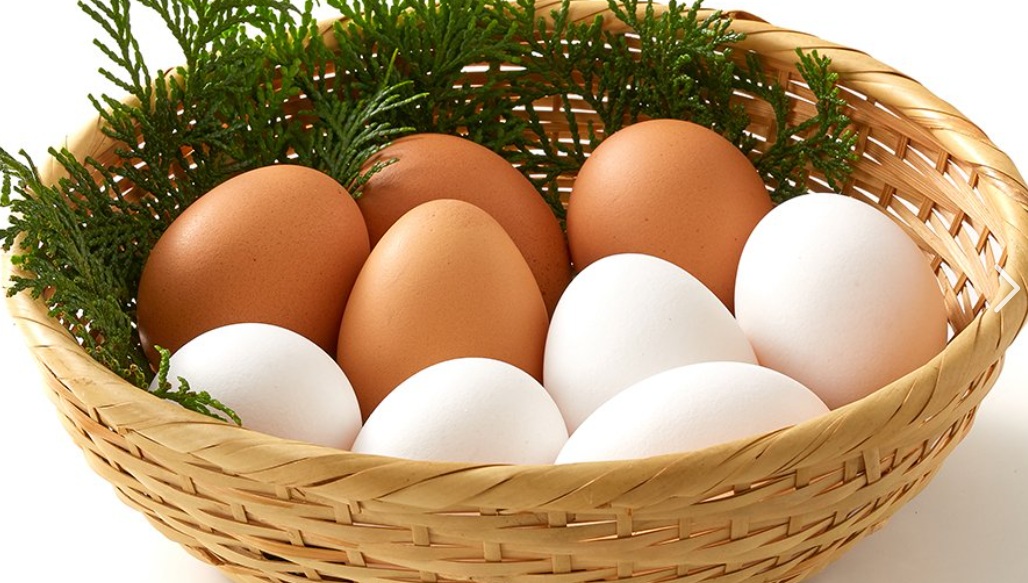
🥚 Are Chicken Eggs Safe for Gout? The Truth About Purines and Cholesterol
When it comes to gout, we always hear about “too much purine.” But surprisingly, chicken eggs are one of the safest protein sources you can eat. While foods like organ meats, seafood, and beer are high in purines, chicken eggs contain an extremely small amount.
A whole egg (about 60–70 g) has only around 2–3 mg of purine per 100 g, meaning even if you eat two eggs, that’s roughly just 5 mg in total. Considering that the recommended daily limit for purine intake is around 400 mg, you’d need to eat about 160 eggs to reach that number — clearly impossible!
Eggs are also rich in high-quality protein, helping maintain muscle and support liver function. For people who are restricting purine intake, eggs are a perfect way to stay nourished without increasing uric acid levels.
Boiled, poached, or steamed eggs are best, while frying them in butter or eating them with lots of mayonnaise can lead to excess fat intake. Keep it simple and healthy.
Some people worry that eating too many eggs may raise cholesterol, but recent research suggests otherwise. In fact, the body naturally regulates cholesterol production, and for most healthy people, one to two eggs per day is perfectly fine.
Even athlete Shohei Ohtani reportedly eats up to 16 boiled eggs a day to boost his protein intake — a fun fact showing how versatile eggs can be!
Of course, those who already have high cholesterol, diabetes, or related conditions should still be careful and consult their doctor.
In short, chicken eggs are low in purines, rich in nutrients, and safe even for gout patients. They also contain vitamins B and essential amino acids that support overall health.
Personally, I often enjoy two or three boiled eggs with a pinch of Okinawan sea salt while having a beer or a glass of shochu. It’s one of my favorite simple snacks — and yes, I always keep a stock of eggs at home!
Purine content: 2 eggs (120 g) ≈ 5 mg