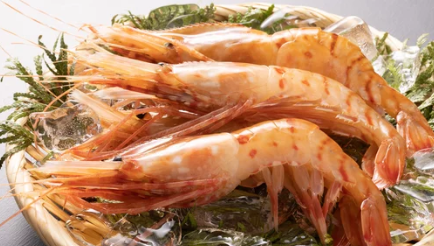
🦐 Shrimp and Purines: “Does Shrimp Contain a Lot of Purines? Should People with Gout Stay Away from It?”
Shrimp contains a relatively high amount of purines, which are known as umami-rich compounds. When purines are broken down in the body, they become uric acid, and excessive buildup of uric acid can lead to gout.
Shellfish such as shrimp, crab, and squid are flavorful but tend to have slightly higher purine levels. That said, shrimp contains about 130 mg of purines per 100 g, which is moderate compared to organ meats like liver.
Here’s a rough guide:
| Type | Approx. number per 100 g | Notes |
|---|---|---|
| Peeled shrimp (medium size) | About 6–8 pieces | Commonly used in salads or stir-fries |
| Black tiger shrimp (medium) | About 3–4 pieces | Larger size, often sold with shells |
| Kuruma-ebi (medium) | About 4–5 pieces | Popular in high-end Japanese cuisine |
| Dried tiny shrimp | 3–4 tablespoons | Lightweight but purines are concentrated |
The recommended daily intake of purines is less than 400 mg, so eating around five shrimp in a dish like ebi-chili (about 100 g) is generally safe if you don’t overdo it.
With a little attention to portion size, even people with gout can enjoy the sweetness and texture of shrimp. Try grilling whole shrimp with a bit of salt—it’s not only delicious with a drink, but the shells themselves contain almost no purines (they’re mostly calcium!).
Reference: About 100 mg of purines for five medium-sized shrimp.